Lighthouse Point • New cooling systems
AC Installation in
Lighthouse Point, FL
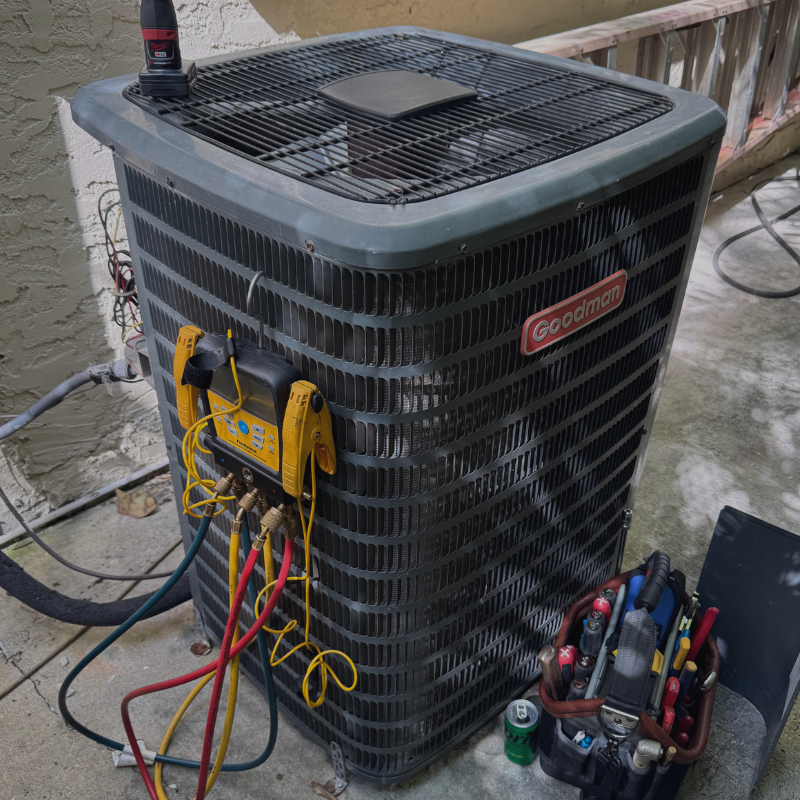
A new air conditioner should solve the comfort problems you have today—not simply replace the equipment outside. Zoom Zoom Air Conditioning plans AC installation in Lighthouse Point around cooling demand, indoor humidity, airflow and the realities of a coastal property. We help you compare equipment and understand the installation scope before you choose a system.
Serving Lighthouse Point and nearby Broward County communities
Capacity & airflow
More tonnage is not automatically more comfort. A system that cools too quickly may stop before removing enough moisture, while restricted ducts can limit even correctly sized equipment.
- Review the home’s cooling load
- Check supply and return airflow
- Discuss hot rooms and daily use
Coastal placement
Outdoor equipment needs breathing room and service access. We review the proposed location, exposure, manufacturer clearances and drainage rather than placing a new unit wherever it happens to fit.
- Consider salt-air exposure
- Keep required access and clearances
- Review mounting and drainage needs
Equipment & controls
Single-stage and variable-capacity options behave differently. We explain the tradeoffs in upfront cost, operating characteristics, humidity management and compatible thermostats.
- Match indoor and outdoor components
- Compare suitable Lennox and Daikin options
- Clarify controls and maintenance needs
What should an AC installation estimate explain?
A useful estimate lets you compare the complete job. Ask what is included, what depends on the home’s condition and what could change after inspection.
| Project item | What to clarify before approval |
|---|
| Equipment selection | Model numbers, capacity, matched indoor equipment and the efficiency rating of the proposed combination. |
|---|
| Existing connections | Whether electrical supply, refrigerant piping, drain connections and duct transitions can be reused or need changes. |
|---|
| Site requirements | Access, mounting, applicable permits and inspections, plus any association requirements you need to arrange. |
|---|
| Completion & support | Startup checks, thermostat orientation, equipment registration and the written warranty terms that apply. |
|---|
A lower equipment price alone does not tell you whether two proposals cover the same work. Compare the scope and ask about exclusions before making a decision.
From home evaluation to startup
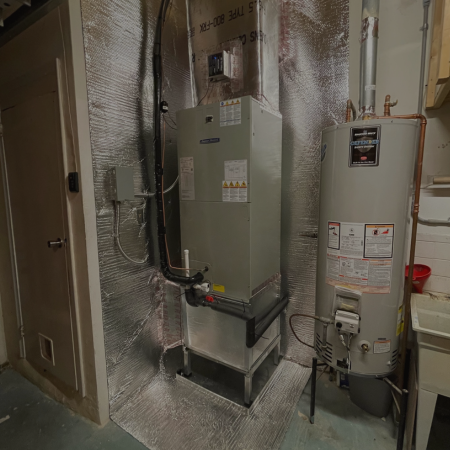
- Evaluate the space. We discuss comfort concerns, inspect the equipment location and assess the airflow and connections the new system will depend on.
- Confirm the plan. You review the equipment recommendation, installation requirements and project pricing. Timing depends on equipment, access and any required approvals.
- Install and verify. Startup includes checks appropriate to the system for electrical operation, refrigerant performance, airflow, condensate drainage and controls. We explain filter access and basic thermostat use.
Preparing your Lighthouse Point property
Clear a path to indoor and outdoor equipment and let us know about narrow side yards, elevated equipment, attic access or condo access rules. If an association manages the exterior, confirm its approval process before the installation date. Tell us about recent window, insulation or room-layout changes; the old system’s size is not a substitute for reviewing today’s cooling needs.
Already have an AC problem? A new installation is not always necessary. Our
AC repair team can evaluate an isolated failure before you commit to replacement. See our
Lighthouse Point service page for broader local support.
Should I install the same size AC I have now?
Not automatically. Changes to windows, insulation, room use or ductwork can affect the appropriate size. Existing comfort problems also deserve review. Equipment selection should consider the home’s load and airflow rather than copying the old unit’s tonnage.
Can a new AC fix a humid house?
It may help when equipment sizing, capacity control or current performance is contributing to moisture problems. Air leaks, duct conditions, thermostat settings and other moisture sources can also matter. Discuss humidity concerns during the evaluation so they are part of the plan.
Do coastal homes need special AC equipment?
Exposure varies by property and equipment location. Ask about suitable materials, available protective options and manufacturer maintenance guidance. No equipment choice eliminates the need for inspection and care in salt-air conditions.
Will my existing ducts need to be replaced?
Not necessarily. Their condition, sizing, leakage and ability to support the proposed airflow determine whether repairs or modifications are appropriate. A new air conditioner should not be expected to overcome an unresolved duct restriction.
How much will installation cost?
Pricing depends on equipment, capacity, access, controls and the work needed for electrical, drain, piping or duct connections. An on-site assessment allows an estimate based on your property rather than an incomplete equipment-only price.